
At its General Assembly, GDA announced its organisational realignment and presented the key points of its work for 2026. The aim is to achieve clearer management, shorter paths and greater impact in the political processes surrounding digital infrastructure in Germany and Europe.
More professional structures for growing tasks
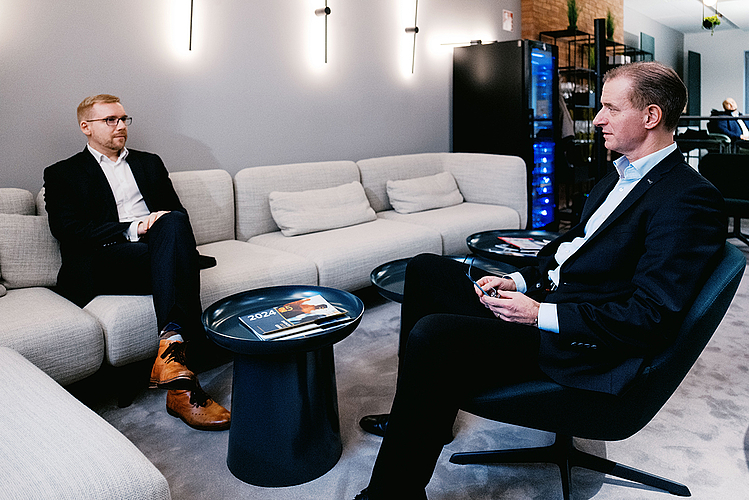
Martin Kohoutek, General Secretary, and Matthias Plötzke, Head of Public Affairs, will jointly take over the management of the association from January 2026. Kohoutek has been in charge of the GDA Administrative Office since the beginning of 2024. He brings over ten years of experience from chambers and associations, including six years in management positions in Germany and abroad. With Plötzke, who has over 30 years of experience in association work, including twelve years in management positions, the GDA will have a strong leadership team for the tasks ahead.
In future, the GDA Executive Board will focus primarily on representative tasks and strategic support for the association's work. "With the new structure, we are laying a solid foundation for the further professionalisation of our association. This will enable us to ensure the quality of our work and increase our impact in politics and the public sphere," said Vice Chairman Peter Pohlschröder. Anna Klaft, who has been GDA Chairwoman since 2021, stepped down from all her posts at the general meeting, effective 31 December 2025.
Strategy 2026: Priority for reliable framework conditions, sovereignty and efficiency
"Germany and Europe are facing a stage of intense digital transformation. Data centers are a key part of the infrastructure for this," said Martin Kohoutek. "Our strategy for the upcoming year makes sure we represent our members’ concerns with clear priorities, from Brussels to local communities." The GDA is focusing its political work more and will clearly focus on three main areas in 2026:
1. Strengthening digital infrastructure
Data centers need planning security, modern standards and political support so that new technologies such as AI can be used economically. The GDA is committed to creating reliable conditions for growth and innovation in the data center industry in order to secure Germany's long-term competitiveness as a digital location.
2. Ensuring data sovereignty
Against the backdrop of the geopolitical situation, the association is committed to a robust and independent digital infrastructure in Europe. The GDA wants to establish clear rules and stable structures so that data can be processed independently, securely and within the European value chain.
3. Promoting energy efficiency
Data centers are already actively contributing to the energy transition. The GDA is campaigning for reliable climate policy, competitive electricity costs and practical regulations for waste heat utilization. The aim is to create a market environment that promotes efficiency and supports investment in modern technology.
Outlook
In 2026, the GDA will intensify its exchange with European and national decision-makers and associations, strengthen its regional presence and involve members more closely in political dialogue. The goal remains to create robust and reliable conditions for a sustainable digital infrastructure in Germany and Europe.
Downloads
Press release: German Datacenter Association stellt Weichen für 2026 (German only, PDF)
Press contakt
Julia Niederwipper
Senior Manager Brand & Content Strategy
+49 173 320 9331
niederwipper(at)germandatacenters.com