
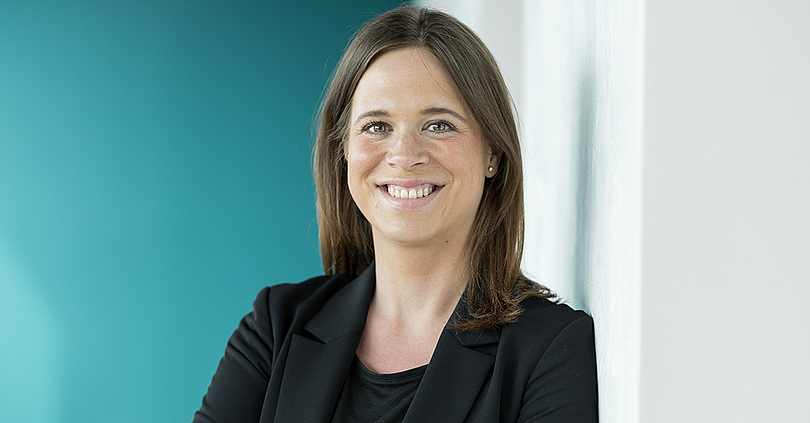
Developing a new data center requires extensive preparation and planning. Project developers must consider a wide range of requirements, some of which may conflict when identifying a suitable location. The greater the computing capacity required, the more challenging the search becomes. One thing is clear: a technically sophisticated concept alone is no longer enough. Early communication, open dialogue, and the involvement of local communities are equally important. We spoke with Michelle Heitkamp, who is responsible for community engagement at NTT Global Data Centers in EMEA.
Community engagement is becoming increasingly important in the data center industry. What do you see as its core responsibilities?
Our experience shows that a strong relationship of trust with the people living in the immediate vicinity of our data centers is essential to local acceptance. Community engagement is about building and maintaining that relationship. We want to be accessible from an early stage, communicate transparently, listen carefully, and incorporate feedback from local residents into the planning process.
Building trust usually takes time. When do you believe community engagement should begin?
We begin the dialogue as soon as a location is being seriously considered. Even during the planning stage, well before the complex permitting process begins, we believe it is particularly important to provide comprehensive information, understand people’s concerns, and address concerns that become apparent.
Even if our planning team has conducted thorough research and has not identified any fundamental objections, local decision-making bodies or members of the public may raise legitimate concerns about the construction of a data center. It is therefore essential to identify potential reservations early, engage in dialogue, and provide comprehensive answers to outstanding questions.
This does not guarantee that a project will succeed. However, it significantly increases the likelihood of delivering a project that benefits both the region and our company.
The binding land-use plan for the proposed FRA6 campus in Nierstein was approved unanimously in December 2025, following the earlier unanimous approval of the corresponding amendment to the preparatory land-use plan. What role did early local dialogue play, and how did you approach it?
Early and extensive dialogue was an important part of the process, alongside careful technical planning and the statutory public participation procedures.
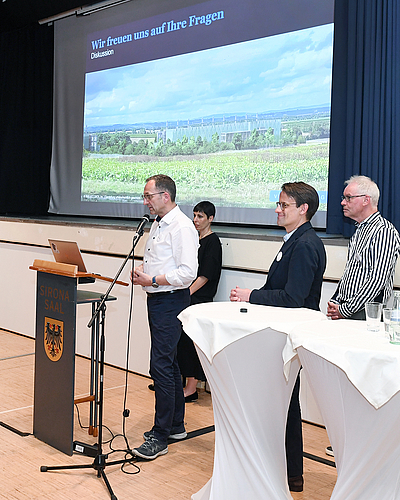
When the plans were presented publicly in the fall of 2024, we also held our first information event for residents from the surrounding region and representatives of the local media. More than 350 people attended. A second information event in the summer of 2025 also attracted considerable interest.
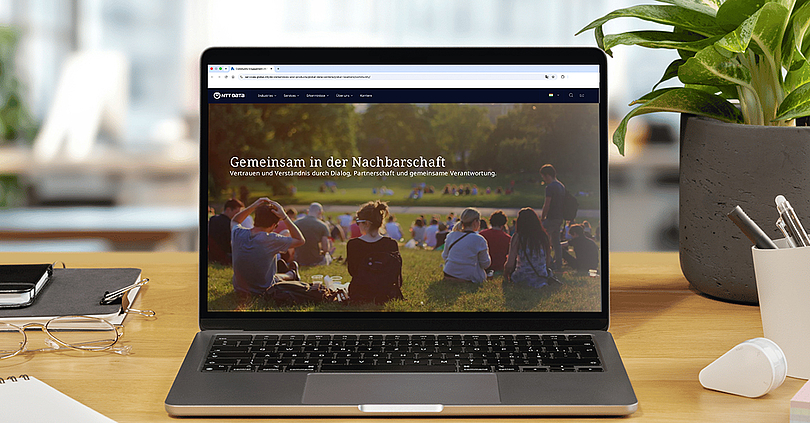
We documented the questions and feedback we received and provided ongoing responses on a dedicated project website. The website also gives interested parties access to the latest planning information, additional background on data centers, and a dedicated contact address for further questions.
What are the greatest challenges involved in becoming a good neighbor?
In our view, the greatest challenge is improving public understanding of data centers. Many people are not aware of the data center capacity required to support digital services such as social media, streaming, online shopping, and artificial intelligence applications. At the same time, uncertainty and concerns about data center operations remain.
That is why we place such importance on direct dialogue with local communities. Initiatives such as the Open Data Center Day (TdoRZ), which the German Datacenter Association will organize for the fourth time on November 6, 2026, provide insights into data center operations and give people an opportunity to ask questions. Participating data center operators across Germany open their doors for presentations and guided tours. We have taken part since 2023 and have seen strong public interest every year.
Another challenge is ensuring that all project partners involved in construction understand the importance of transparent communication. Construction projects require close coordination. When we promise local residents that they will be informed early about possible disruptions, we must first receive the relevant information ourselves in a timely manner. This principle also needs to be firmly embedded in our work with suppliers.
Does community engagement end once a data center becomes operational?
No, quite the opposite. We want to remain a good neighbor after a data center begins operations and to maintain strong, long-term relationships with the people who live nearby.
Our goal is to become a recognized member of the local community and to be seen as a reliable partner. This creates trust and provides a basis for working together to find solutions, even when difficult issues arise. A strong reputation is also important for attracting committed employees and earning the confidence of our clients.
Can you share some best practices for building strong and lasting relationships with local communities?
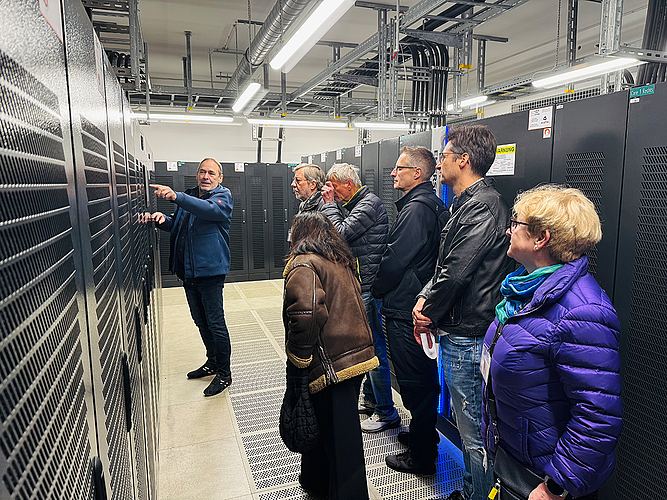
Certainly. Let’s start with sharing knowledge: Good neighbors get to know each other. People who understand how a data center works and why it is important are better able to recognize and assess misinformation. Whenever operational requirements allow, we therefore offer guided tours of our data centers.
Authenticity is equally important. We take criticism seriously and address it openly. Unexpected situations can arise during the operation, construction, or expansion of a data center. In such cases, we actively seek dialogue with the people affected.
For example, we have held dedicated community meetings specifically for the 10 to 15 residents living closest to a data center to inform them about planned modifications to the facility. Further meetings are planned.
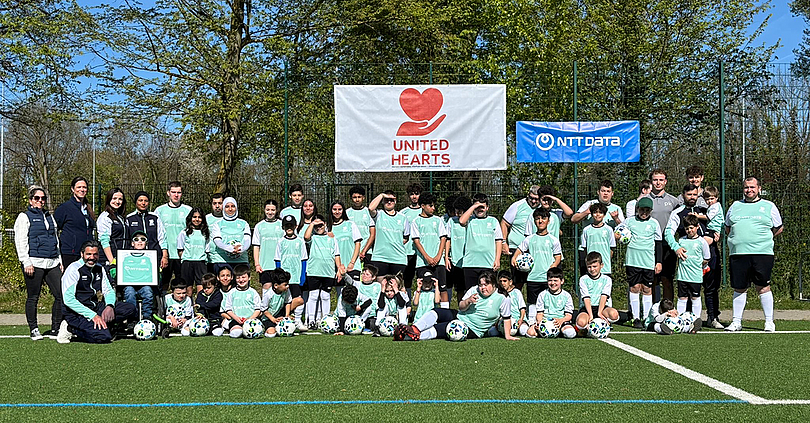
Ultimately, the key is to remain visible and accessible. In the cities and municipalities where we operate data centers, we also contribute to the local community. This may include sponsoring STEM education programs at schools and universities or organizing community volunteer days. We encourage our employees to take part and give them time off to do so. We also welcome ideas from employees working at our local sites.
Thank you very much for the interview!
What will shape the German data center market in 2026/27?
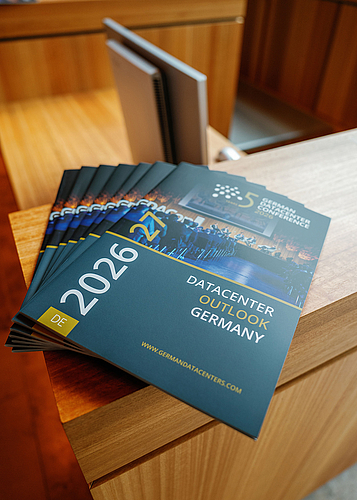
The Datacenter Outlook Germany 2026/27 combines market analysis, political perspectives and insights from across the entire data center ecosystem. Insights and assessments from experts in the data center sector on developments, obstacles and trends, as well as articles on the current political positions of the German Datacenter Association, round off the overall picture.
Download the full Datacenter Outlook Germany 2026/27 as a PDF